
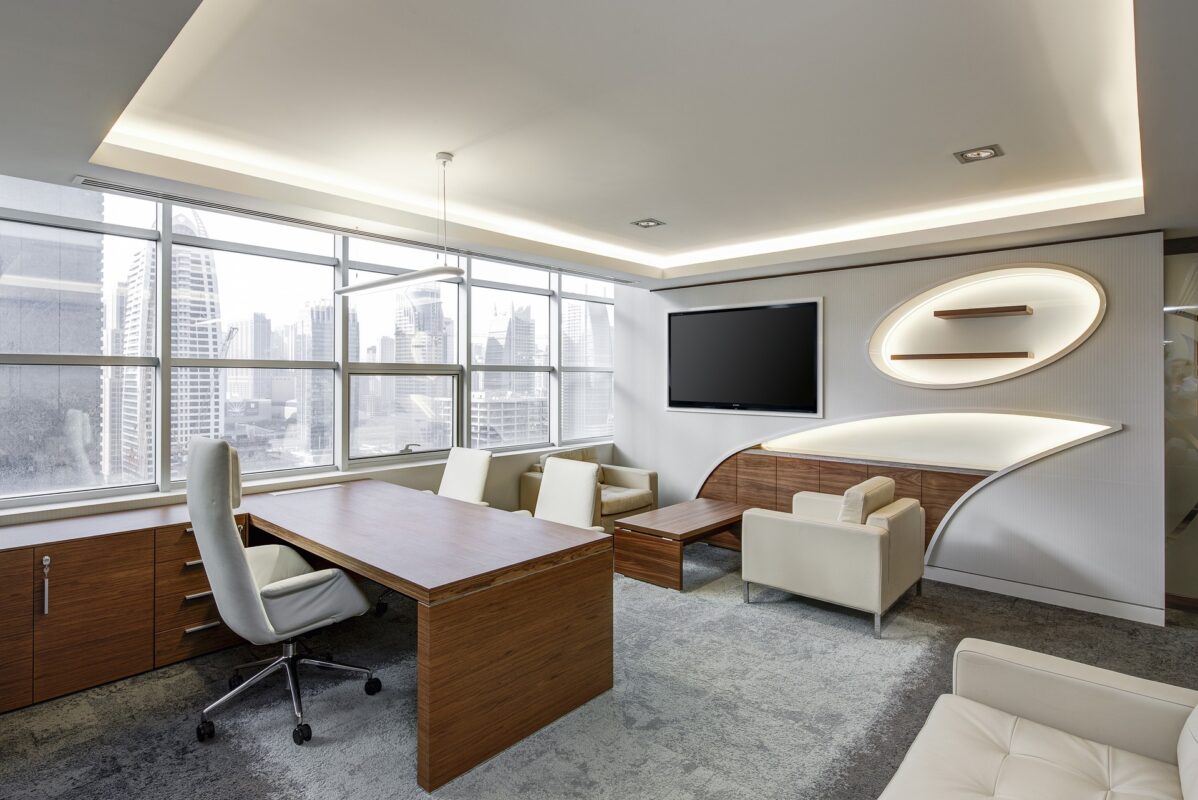
Interior design is a field that has been evolving rapidly over the years, with new trends emerging every season. As homeowners become more design-savvy, it’s crucial to stay up-to-date on the latest trends to keep your space looking fresh and stylish. From color schemes to furniture arrangements, the right interior design can make all the difference in how a space looks and feels. In this article, we’ll take a deep dive into the latest interior design trends and explore unique ideas to help you create a space that’s both functional and visually appealing.
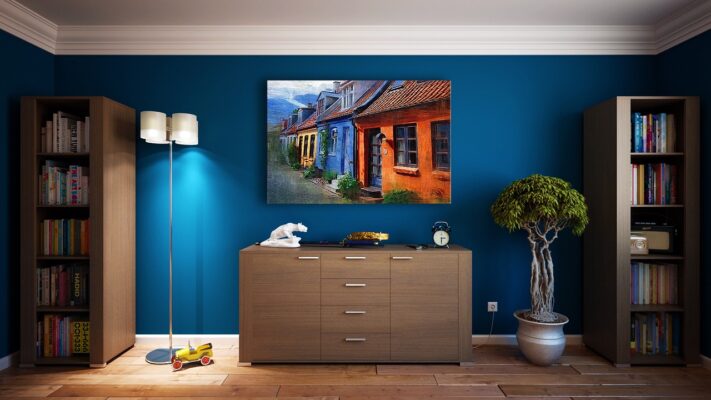
1. Embrace the Power of Color for interior design purposes
Color has the power to evoke emotions and set the mood for a space. When selecting a color scheme, it’s important to choose hues that complement each other and create a cohesive look. Here are some tips on how to use color effectively in your interior design.
Choose a Color Scheme
Consider the mood you want to create in the space and choose colors that match that feeling. For example, soft blues and greens can create a calming atmosphere, while bold reds and oranges can energize a room.
Use Accent Walls
If you’re hesitant to commit to a bold color scheme, consider using an accent wall to add a pop of color to your space.
Add Pops of Color with Accessories
Don’t be afraid to add bright pops of color with accessories like throw pillows, rugs, and curtains.
2. Mix and Match Furniture
Gone are the days of perfectly matched furniture sets. Today’s interior design trends encourage homeowners to mix and match different styles and materials to create a unique and personalized look. Here’s how to pull off this trend.
Combine Different Styles
Pair a traditional sofa with a modern coffee table, or mix vintage pieces with contemporary accents.
Mix Textures and Materials
Use a combination of materials like leather, velvet, and metal to add depth and interest to a space.
Consider Functionality
Don’t sacrifice functionality for the sake of style. Choose furniture pieces that are not only visually appealing but also serve a practical purpose.
Add Texture and Patterns
Texture and patterns are a great way to add visual interest to a space. From textured wallpaper to patterned fabrics, here’s how to incorporate texture and patterns in your interior design.
Use Textured Wallpapers and Fabrics
Experiment with different textures like shag, wool, and linen to add dimension to your walls and upholstery.
Mix Patterns
Mixing patterns can be tricky, but when done right, it can create a unique and cohesive look. Stick to a color scheme and choose patterns that complement each other.
Add Texture with Accessories
Accessories like throw pillows, rugs, and curtains are an easy way to add texture and pattern to your space without making a big commitment.
4. Incorporate Greenery and Natural Elements
Bringing the outdoors in is a trend that continues to gain popularity in interior design. Here’s how to incorporate natural elements into your space.
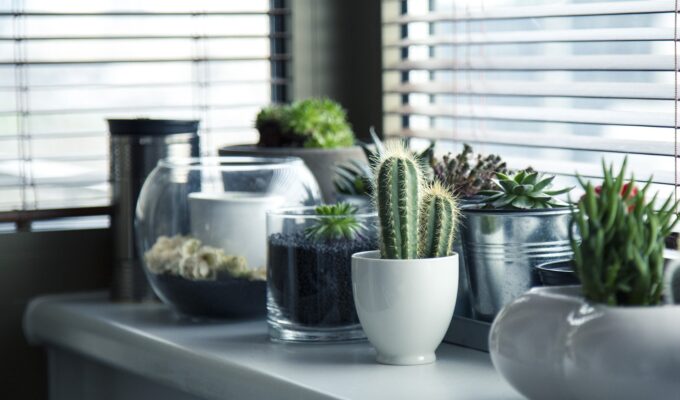
Use Plants for a Natural Touch
Plants not only add a touch of nature to your space but also improve air quality and reduce stress levels.
Add Natural Materials like Wood and Stone
Incorporate natural materials like wood and stone into your space to create a calming and organic atmosphere.
Consider Natural Lighting
Natural lighting can make a big difference in how a space feels. Consider adding skylights or large windows to maximize natural light.
5. Create a Focal Point
A focal point is a design element that draws the eye and serves as the main point of interest in a space. Here are some ways to create a focal point in your interior design.
Use Statement Pieces
Statement pieces like a bold piece of artwork or a unique piece of furniture can serve as a focal point in a room.
Highlight Architectural Features
If your space has unique architectural features like a fireplace or an exposed brick wall, use them to create a focal point.
Use Lighting
Lighting can also be used to create a focal point. Use a chandelier or pendant light to draw the eye up, or highlight a piece of artwork with accent lighting.
6. Optimize Space with Multi-Functional Furniture
In today’s world, space is a premium. To make the most of small spaces, multi-functional furniture is a must. Here are some examples of multi-functional furniture.
Sofa Beds
A sofa bed can serve as a seating area during the day and a guest bed at night.
Storage Ottomans
An ottoman with built-in storage is perfect for small spaces where every inch of storage counts.
Convertible Tables
A convertible table can be used as a coffee table during the day and a dining table at night.
7. Keep it Simple and Streamlined
Simplicity is the ultimate sophistication. In interior design, a minimalist approach can create a clean and sophisticated look. Here are some tips for keeping it simple.
Reduce Clutter
Clutter can make a space feel small and overwhelming. Keep only the essentials and consider hidden storage options.
Use Neutral Colors
Neutral colors like white, gray, and beige can create a calming and sophisticated atmosphere.
Emphasize Clean Lines
Clean lines create a streamlined and modern look. Choose furniture with simple, straight lines and avoid ornate details.
Conclusion:
Interior design is all about creating a space that reflects your personal style and meets your functional needs. By incorporating the latest trends in color, furniture, texture, natural elements, focal points, multi-functional furniture, and simplicity, you can create a space that is both visually appealing and functional. Whether you’re working with a large space or a small one, these interior design tips will help you create
a space that you’ll love coming home to. Remember, interior design is a process, and it may take some time to achieve the look and feel that you’re after. Don’t be afraid to experiment and try new things. With a bit of creativity and imagination, you can create a space that is both functional and beautiful.
FAQs:
Q. Can interior design be done on a budget?
A. Yes, interior design can be done on a budget. By prioritizing your spending and focusing on key pieces, you can create a beautiful space without breaking the bank.
Q. How do I choose the right colors for my space?
A. When choosing colors for your space, consider the mood that you want to create. For example, blues and greens are calming, while reds and yellows are energizing.
Q. What is the difference between interior design and interior decorating?
A. Interior design is the process of planning and designing a space, while interior decorating is the process of adding the finishing touches, such as furniture, accessories, and artwork.
Q. What is the best way to incorporate natural elements into my space?
A. Natural elements can be incorporated into your space through the use of plants, wood furniture, stone accents, and natural fabrics like cotton and linen.
Q. How do I create a focal point in my space?
A. A focal point can be created through the use of color, architectural features, or lighting.
Interior design is a complex process that involves creativity, imagination, and attention to detail. By following the latest trends and incorporating elements like color, texture, natural elements, focal points, multi-functional furniture, and simplicity, you can create a space that is both beautiful and functional. Remember, interior design is a process, so don’t be afraid to experiment and try new things. With a bit of patience and perseverance, you can create a space that you’ll love for years to come.
Bullet Points
- A well-chosen color scheme can have a huge impact on the mood of a room
- Mixing furniture styles can create a unique and eclectic look
- Textured wallpaper and fabrics can add depth and interest to a space
- Incorporating natural elements like plants and wood can create a calming atmosphere
- Statement pieces and artwork can draw the eye and create a focal point
- Multifunctional furniture and built-in shelving can maximize storage space