
Introduction to Interior Space Planning
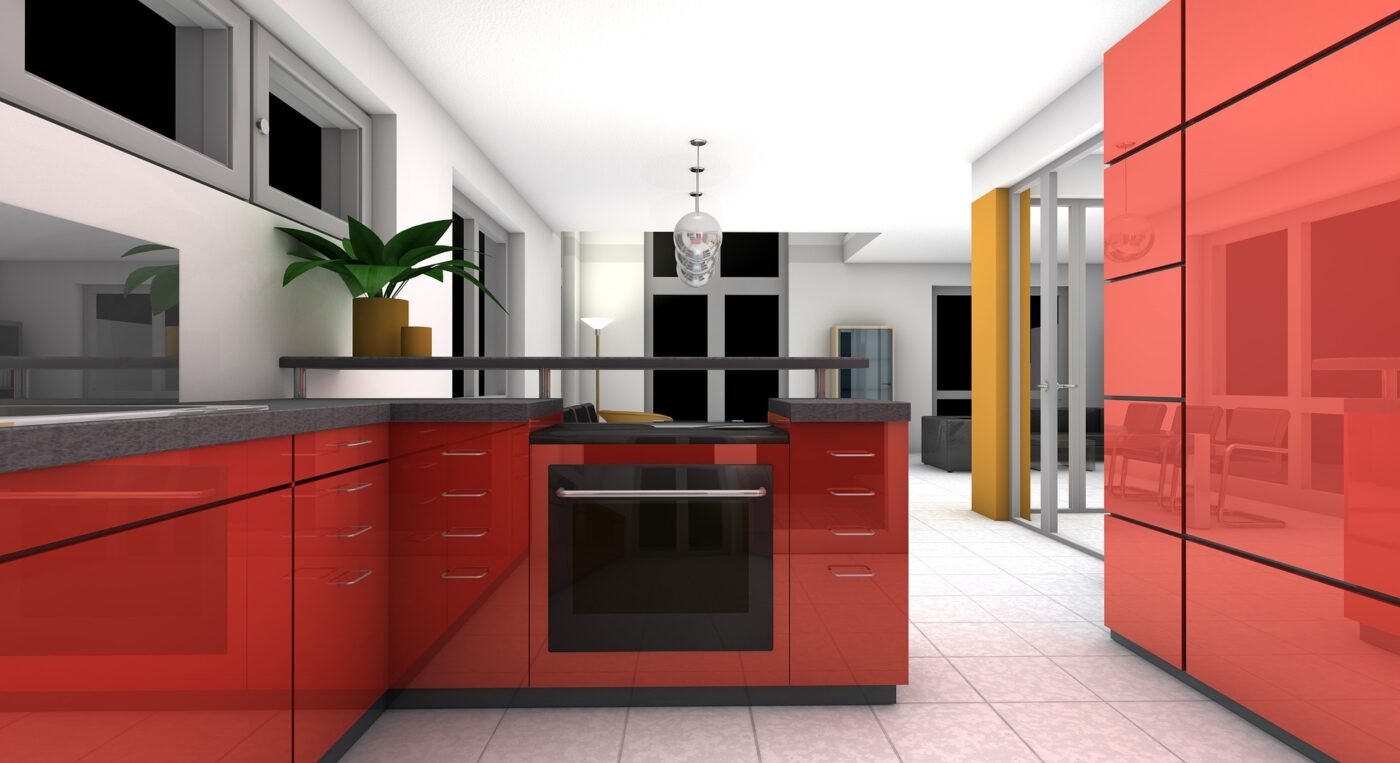
Interior space planning is the art and science of organizing and arranging the layout of a space to make it functional, efficient, and aesthetically pleasing. It plays a crucial role in creating a comfortable and welcoming environment in residential, commercial, and public spaces. In this article, we will explore the importance of space planning, its goals, the process of interior space planning, and some tips for success.
Importance of Space Planning
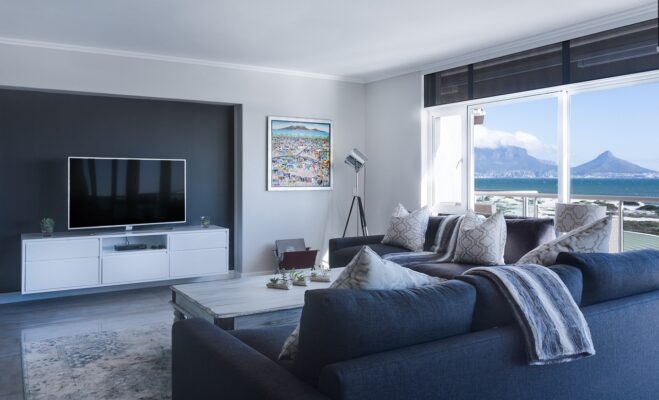
Proper space planning is vital for several reasons:
- Functionality: Well-planned spaces cater to the needs and activities of the users, ensuring that each area is used to its fullest potential.
- Efficiency: Efficient space planning reduces wasted space and allows for better utilization of available resources.
- Aesthetics: A well-designed space is visually appealing and helps create a pleasant atmosphere.
- Accessibility: Good space planning ensures that spaces are easily navigable and cater to the needs of all users, including those with disabilities.
- Flexibility: Spaces designed with flexibility in mind can adapt to changing needs and requirements over time.
Goals of Space Planning
Some key goals of interior space planning include:
- Optimize space usage
- Create functional and efficient layouts
- Enhance the aesthetic appeal of the space
- Ensure accessibility for all users
- Provide flexibility for future changes
The Process of Interior Space Planning
Step 1: Assessing Needs and Objectives
Before starting the space planning process, it’s essential to define the needs and objectives of the space. This involves:
- Identifying Functions and Activities: Determine the primary functions and activities that will take place in the space. Consider the needs of the users and how the space can cater to those needs.
- Prioritizing Spaces: Assign priority to different areas based on their importance and usage. This helps in allocating resources and making design decisions that best serve the priorities.
Step 2: Analyzing the Space
Once the needs and objectives are defined, it’s time to analyze the space:
- Measurements and Dimensions: Accurately measure the dimensions of the space, including walls, doors, windows, and any other architectural elements. This information will be crucial in developing a realistic and functional layout.
- Architectural Features and Constraints: Identify any constraints or unique features in the space, such as columns, load-bearing walls, or low ceilings. These will influence the design and layout of the space.
Step 3: Space Planning Strategies
There are several strategies that can be employed to create effective interior space planning:
- Zone Planning: Divide the space into different zones or areas, each catering to a specific function or activity. This helps in organizing the space and ensuring that related activities are grouped together.
- Circulation and Flow: Plan for efficient circulation and flow within the space. Consider how people will move through the space, and ensure there are clear pathways and connections between different areas.
- Flexibility and Adaptability: Design the space with the future in mind. Consider how the space can be easily modified or reconfigured to adapt to changing needs and requirements.
- Step 4: Design Development
- After developing a space planning strategy, it’s time to focus on the design details:
- Furniture Layout and Selection: Determine the ideal placement and arrangement of furniture in the space, ensuring that it is functional, comfortable, and aesthetically pleasing. Select furniture that complements the design and serves the intended purpose.
- Lighting and Color Scheme: Plan for appropriate lighting to enhance the ambiance and functionality of the space. Consider both natural and artificial lighting sources. Choose a color scheme that supports the overall design concept and creates the desired atmosphere.
- Tips for Successful Interior Space Planning
- Collaborating with Professionals: Consult with architects, interior designers, or other professionals who have experience in space planning. Their expertise can help you make informed decisions and create a successful design.
- Using Technology for Visualization: Utilize technology, such as computer-aided design (CAD) software or virtual reality (VR), to visualize and test different design options. This allows you to make more informed decisions and avoid potential issues.
- Conclusion
- Interior space planning is a crucial aspect of creating functional, efficient, and aesthetically pleasing spaces. By understanding the importance of space planning, setting clear goals, and following a structured process, you can successfully design spaces that cater to the needs and preferences of their users.
- FAQs
- What is interior space planning? Interior space planning is the process of organizing and arranging the layout of a space to make it functional, efficient, and aesthetically pleasing.
- Why is space planning important? Space planning is important for optimizing space usage, creating functional layouts, enhancing aesthetics, ensuring accessibility, and providing flexibility for future changes.
- What are the steps involved in interior space planning? The steps involved in interior space planning are assessing needs and objectives, analyzing the space, developing space planning strategies, and design development.
- What is zone planning? Zone planning is a space planning strategy that involves dividing a space into different zones or areas, each catering to a specific function or activity.
- How can technology be used in interior space planning? Technology, such as computer-aided design (CAD) software or virtual reality (VR), can be used to visualize and test different design options, helping to make more informed decisions and avoid potential issues.