
Introduction
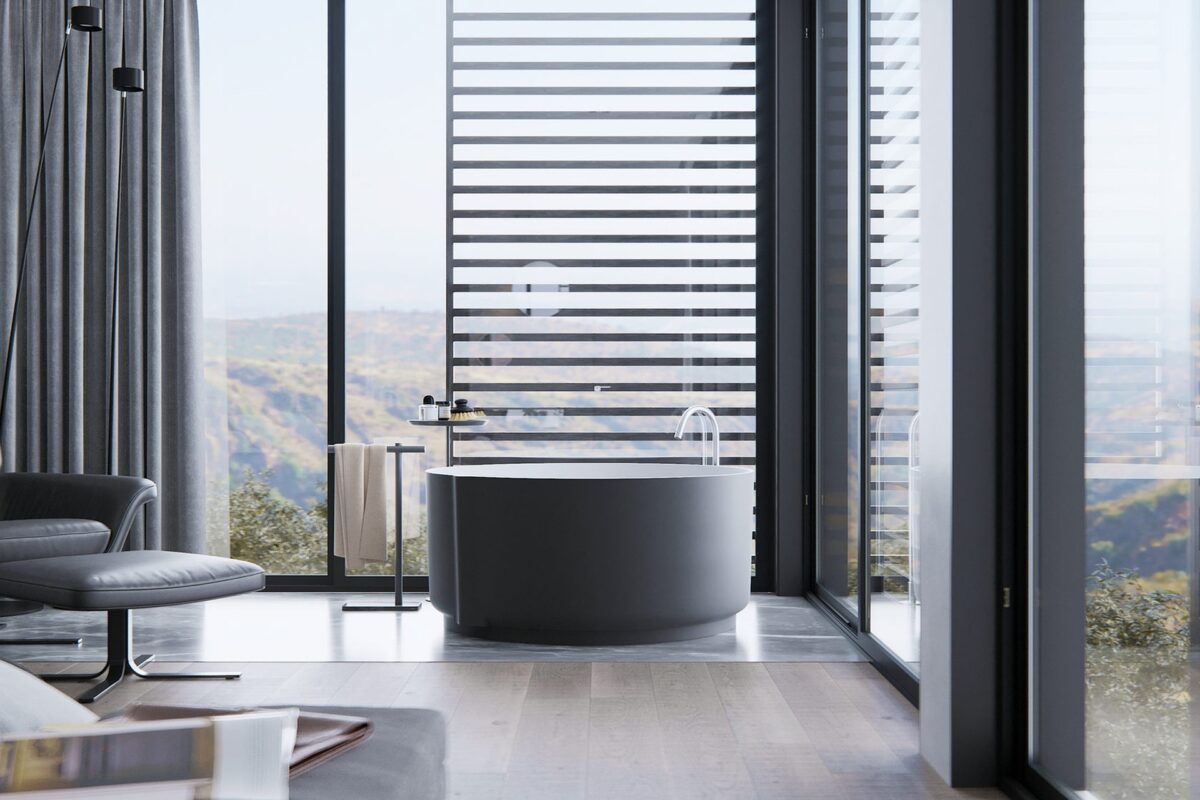
In recent years, the popularity of modern interior design has been on the rise. It offers a clean, sophisticated, and functional style that many homeowners find appealing. If you’re interested in transforming your living space into a contemporary haven, this article will provide you with the information you need. We’ll explore the elements of the latest interior design trends, offer tips for incorporating it into your home, discuss its historical influences, and examine current trends in the field.
The Elements of Modern Interior Design
Clean Lines and Simplicity
At the heart of modern interior design is a focus on clean lines and simplicity. This means minimal ornamentation, geometric shapes, and a general lack of clutter. The idea is to create a sense of calm and order in a space, which can be achieved through the use of streamlined furniture, straight lines, and simple patterns.
Neutral Color Palette
A neutral color palette is another key element of modern interior design. This typically includes shades of gray, beige, white, and black, with the occasional pop of color for visual interest. Neutral colors provide a calm and sophisticated backdrop, allowing the other elements of the design to take center stage.
Natural Materials
Interior design often incorporates natural materials such as wood, stone, and metal. These materials not only add warmth and texture to a space but also contribute to a sense of authenticity and connection with nature.
Minimalism
One of the guiding principles of modern interior design is minimalism. This means that spaces are uncluttered, with a focus on functionality over unnecessary decoration. The idea is to create a serene environment where each piece of furniture and decor serves a specific purpose.
Open Spaces
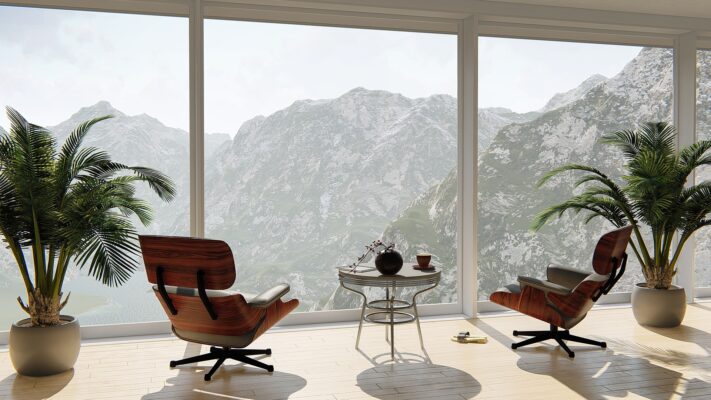
Finally, modern interior design favors open spaces, which encourage a sense of flow and connection between different areas of the home. This can be achieved through the use of open floor plans, large windows, and minimal barriers between rooms.
Incorporating Modern Interior Design into Your Home
Start with a Clean Slate
When embarking on a modern interior design project, it’s essential to begin with a clean slate. This means decluttering your space, removing any unnecessary items, and ensuring that the remaining pieces serve a specific function.
Choose a Neutral Color Scheme
Selecting a neutral color scheme is an important step in creating a modern interior. This will provide a calm and sophisticated backdrop for the rest of your design choices. Consider shades of gray, beige, white, and black, with the occasional pop of color for visual interest.
Select Natural Materials
Incorporate natural materials such as wood, stone, and metal into your design. These materials not only add warmth and texture to a space but also contribute to a sense of authenticity and connection with nature.
Consider Minimalist Furniture
Choose furniture pieces that reflect the minimalist ethos of modern interior design. Look for streamlined, geometric shapes and simple patterns. Remember, less is more when it comes to modern design, so opt for furniture that is both functional and visually appealing without being overly ornate.
Create Open Spaces
To achieve the open and connected feel that is characteristic of modern interior design, consider incorporating open floor plans, large windows, and minimal barriers between rooms. This will create a sense of flow and connection throughout your home.
The Influence of Modernism on Interior Design
Modern interior design is rooted in the modernist movement of the early 20th century, which sought to break away from traditional artistic and architectural styles. This movement emphasized simplicity, functionality, and the use of new materials and technologies. The influence of modernism can be seen in the clean lines, open spaces, and minimalist approach that characterizes contemporary interior design.
Modern Interior Design Trends
Sustainable and Eco-friendly Designs
As environmental concerns become increasingly important, many homeowners are looking for ways to incorporate sustainable and eco-friendly elements into their interior design. This can include using reclaimed materials, energy-efficient appliances, and water-saving fixtures.
Biophilic Design
Biophilic design is a trend that aims to bring elements of the natural world into interior spaces, fostering a connection between humans and nature. This can be achieved through the use of natural materials, indoor plants, and natural light.
Smart Home Technology
Modern interior design often incorporates smart home technology, which can help to create a more efficient and comfortable living environment. Examples include automated lighting systems, smart thermostats, and voice-activated assistants.
Multifunctional Spaces
As homes become increasingly multipurpose, modern interior design is embracing the concept of multifunctional spaces. This can involve creating areas that serve multiple functions, such as combining a home office with a guest bedroom or designing a living area that can also function as a dining space.
Conclusion
Modern interior design offers a clean, sophisticated, and functional style that is both timeless and adaptable. By incorporating elements such as clean lines, neutral color palettes, natural materials, and open spaces, you can create a contemporary living environment that is both visually appealing and highly functional. Stay up-to-date with current trends, such as sustainable design and smart home technology, to ensure your home remains on the cutting edge of modern design.
FAQs
- What is the main difference between modern and contemporary design? While the terms are often used interchangeably, modern design generally refers to the design movement that originated in the early 20th century, whereas contemporary design refers to current design trends, which can include elements of modernism.
- Can modern interior design be cozy and inviting? Yes, despite its minimalist approach, modern design can be cozy and inviting by incorporating warm natural materials, soft textures, and well-chosen lighting.
- Is it expensive to implement modern interior design? The cost of implementing modern interior design can vary greatly depending on the materials, furniture, and technology you choose. However, there are affordable options available for those who wish to achieve a modern look on a budget.
- How can I add color to a modernized interior design without disrupting the neutral palette? You can add pops of color through accent pieces such as artwork, decorative pillows, or area rugs. This will maintain the neutral palette while adding visual interest to the space.
- Can I mix different design styles with modern interior design? Yes, blending different design styles can create a unique and personalized look in your home. When mixing styles, it’s essential to maintain a sense of balance and cohesion by choosing elements that complement each other and don’t clash. For example, you could combine modern furniture with a few carefully selected vintage or rustic accents to create an eclectic yet harmonious design.